Porcelain Veneers vs Composite Bonding Explained
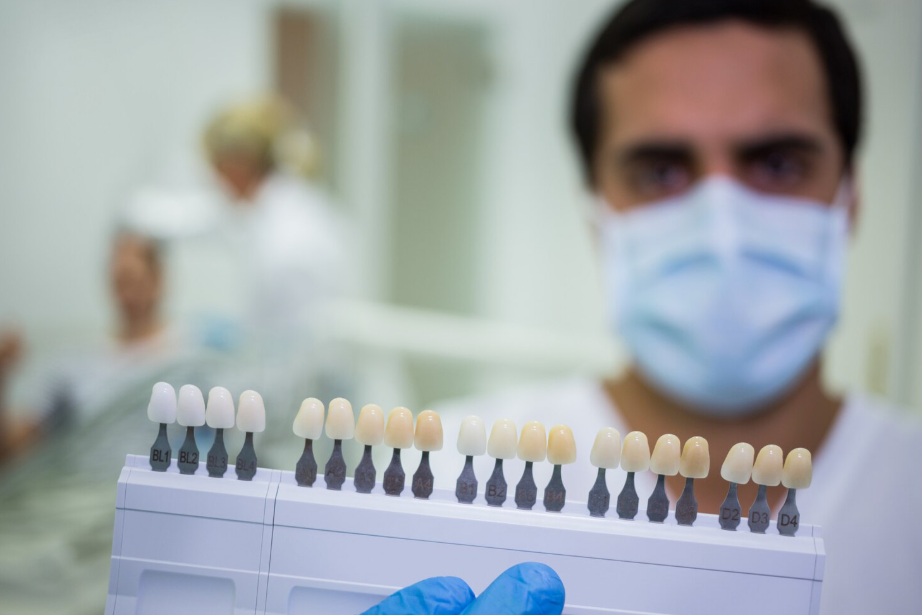
Thanks to contemporary cosmetic dentistry, improving your smile has never been simpler. Porcelain veneers and composite bonding are two of the most used methods for fixing uneven, chipped, or discolored teeth. Although they both seek to enhance look, they differ greatly in terms of materials, durability, price, and degree of alteration. You may select the option that best suits your needs by being aware of these distinctions.
Understanding Porcelain Veneers
The front surface of teeth is covered with porcelain veneers, which are thin ceramic shells. In a dental laboratory, they are crafted to precisely match the color, form, and translucency of neighboring teeth. To make sure the veneer sits level with natural teeth, the process typically entails a little amount of enamel removal.
For those looking for long-term results, porcelain veneers are perfect because they are extremely stain-resistant and durable. They are very useful for filling in gaps, contouring teeth to provide a consistent smile, and treating discoloration that cannot be fixed with whitening. Veneers are regarded as a more complete cosmetic option because they are permanent and need expert installation.
What Composite Bonding Involves
In contrast, composite bonding applies a tooth-colored resin directly to the surface of the tooth. A unique light is used to solidify the material after it has been shaped into the required shape. Composite bonding is less invasive than porcelain veneers since it typically involves little to no enamel removal.
Bonding is flexible and can be finished in a single session. It works great for little repairs including concealing minor stains, filling in tiny chips, and filling in microscopic gaps. Although composite bonding is less expensive than porcelain veneers, it is less long-lasting and more likely to discolor over time.
Key Differences Between the Two
Three key distinctions exist between composite bonding and porcelain veneers:
Durability: Composite bonding may require repair or touch-ups after five to seven years, although porcelain veneers usually endure ten to fifteen years or longer.
Aesthetics: While composite bonding might occasionally appear less realistic, particularly on larger sections, porcelain gives superior translucency and a natural appearance.
Cost and Treatment Time: Bonding can be finished in a single session and is typically less costly. Veneers are more expensive and time-consuming since they require laboratory work and several appointments.
Choosing the Right Option
The decision between bonding and veneers is based on personal objectives and dental health. For people looking for a dramatic, long-lasting smile makeover, porcelain veneers are perfect. They offer outstanding durability and are impervious to stains and normal wear. For minor adjustments or short-term fixes that nevertheless improve the appearance of the smile, composite bonding works better.
Bite alignment, enamel thickness, and individual lifestyle choices are other considerations to take into account. A comprehensive consultation with a cosmetic dentist aids in selecting the best course of action.
Maintenance and Longevity
Bonding and veneers both need to be properly cared for. Results are prolonged by maintaining good oral hygiene, which includes flossing, brushing twice a day, and routine dental exams. Damage can be avoided by avoiding habits like chewing pens or biting hard items. Veneers don't get stained by wine, tea, or coffee, but composite bonding can eventually become discolored and need to be polished or replaced.
Conclusion
Composite bonding and porcelain veneers both provide efficient ways to improve your smile, but they are appropriate for different requirements and standards. While bonding offers a quick, inexpensive, and minimally intrusive method for moderate adjustments, veneers offer a long-lasting, high-quality outcome perfect for major makeovers. You may make an informed decision and get a smile that feels natural, self-assured, and long-lasting by being aware of the distinctions.